
Home » Skin Cancer
Skin Cancer Treatment
Protect Your Skin, Protect Your Health
Though skin cancer is highly common, it can become a significant health risk if left untreated. Nearly all cases of skin cancer are curable when treated before the condition has spread. Dr. Ohara Aivaz’s dermatology center is the ideal place to start, from screening to skin cancer treatment and referrals.
How Is Skin Cancer Treated?
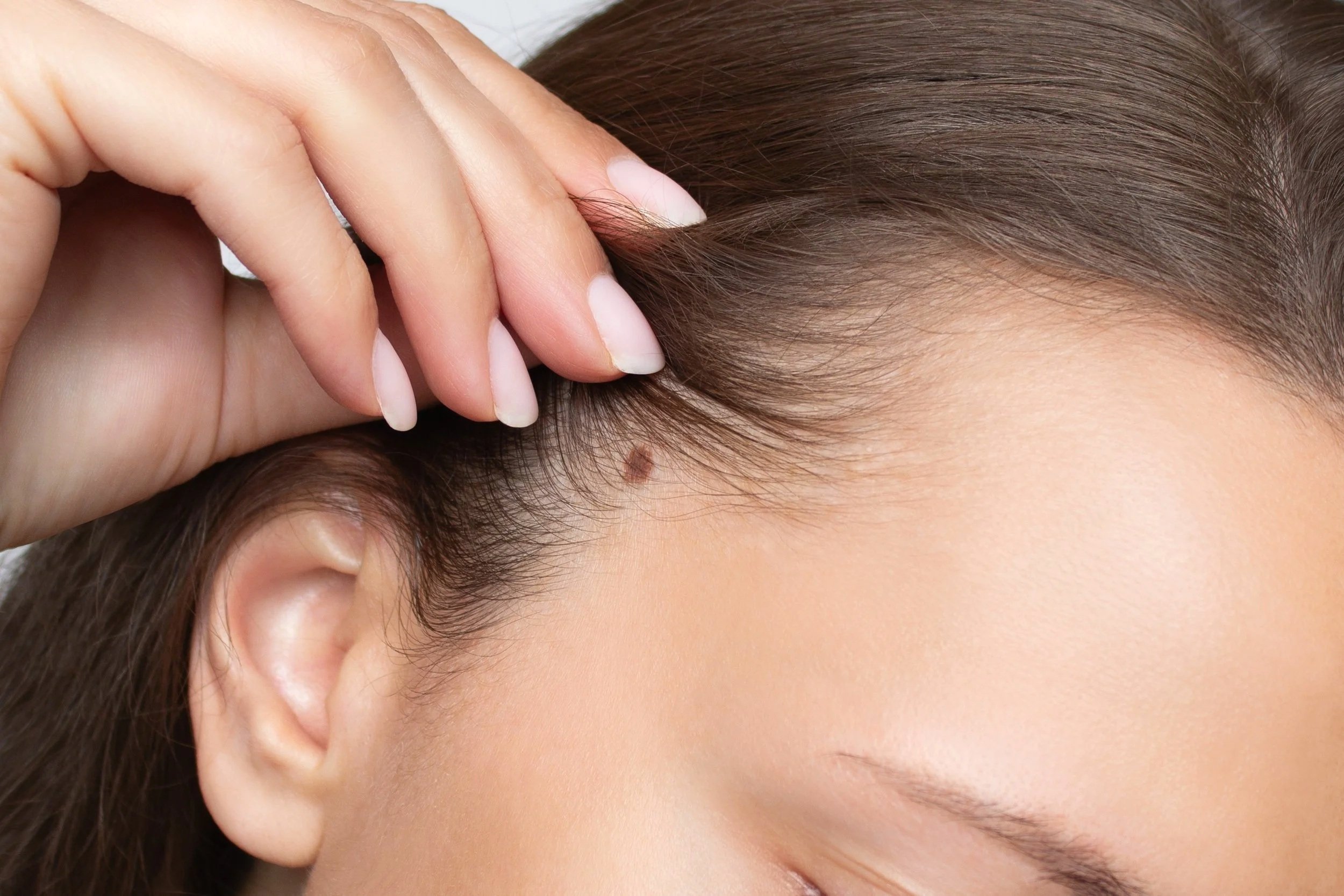
Dr. Aivaz screens for and treats several types of skin cancer, including higher-risk types. She provides screening and treatment for:
Abnormal Moles (Dysplastic Nevus)
Actinic Keratosis
Basal Cell Carcinoma
Squamous Cell Carcinoma
Melanoma
Treatment can vary according to the age of the patient, the type of skin cancer, and how far it has progressed. A simple surgical procedure is often sufficient to remove the affected tissue. However, each case is unique, so we take care to tailor your treatment plan to your situation and medical needs.
Dr. Aivaz's Options for Skin Cancer Treatment
Chemotherapy Creams: Also called topical chemotherapy, this treatment kills cancerous cells when applied to your skin. You apply the cream at home over 3 to 4 weeks.
Excisional Approach: This involves completely removing the affected tissues.
Mohs Referral: If you require a Mohs micrographic surgeon, Dr. Aivaz can refer you out to one of the skilled surgeons in her network.
Do I Need Skin Cancer Treatment?
If you have skin cancer, there is no doubt that you should visit a specialist. Even if your condition starts out small, it can become more problematic over time, including putting your health at risk. First, you will need to work with a specialist who can examine your skin and provide a diagnosis. This typically is done by either a clinical evaluation of the skin or a biopsy. With a biopsy, a portion of the skin is removed and sent to the lab for analysis.
If we confirm that you have skin cancer, then we begin building a treatment plan. Skin cancer can be fully treated in most cases, particularly when caught early on. As part of the screening process, you may also need to have tests done to check if cancerous cells have spread to other parts of the body.
Skin Cancer Treatment: At a Glance
Treatment Type: Medical dermatology, both surgical and nonsurgical options available
How Long It Takes: About 1 hour for excisional biopsy, 3-4 weeks for chemotherapy creams
Recovery Time: 1 to 2 weeks (excisional), 1-2 weeks (creams)
Book Your Consultation
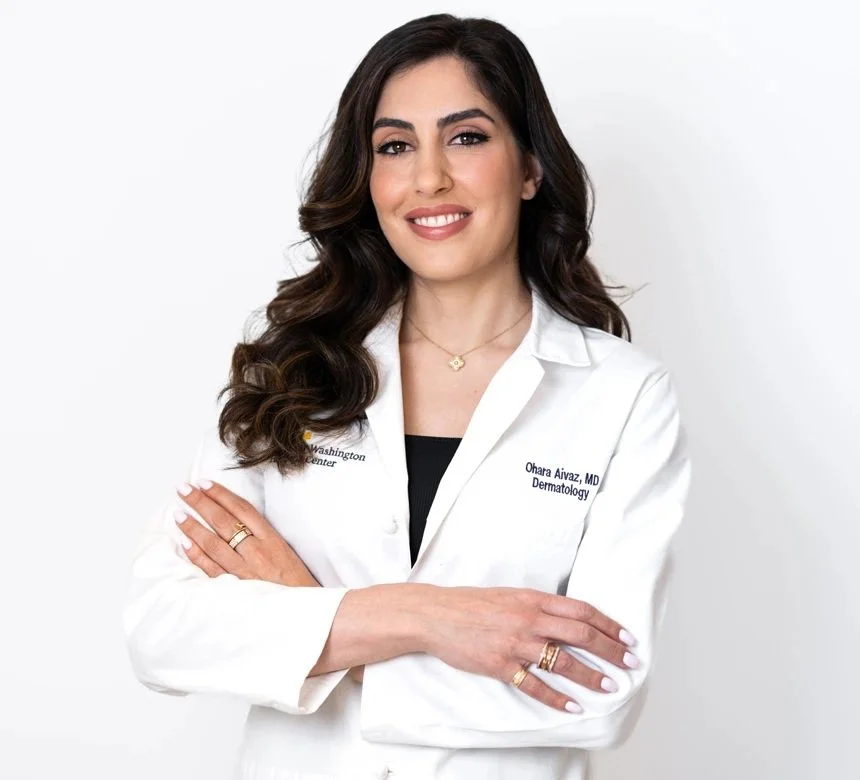
If you even suspect that you have skin cancer, we encourage you to start with a diagnosis at Dr. Aivaz’s practice. The risks of skin cancer can range from mild to life threatening, so the sooner you get started on treatment, the better. Call her office to schedule your consultation and exam visit to give your skin a second chance.
Frequently Asked Questions
-
Most adults should have a full-body skin exam once a year. Patients with a history of skin cancer, significant sun exposure, or a family history of melanoma may need more frequent exams. Dr. Aivaz will recommend the right screening schedule for you.
-
Dr. Aivaz performs a head-to-toe visual exam of your skin, evaluating moles, spots, and lesions for signs of irregularity. If a suspicious spot is found, she may perform a biopsy where a small sample of skin is removed and sent to a lab for analysis.
-
Use the ABCDE rule: Asymmetry (one half does not match the other), Border irregularity (ragged or uneven edges), Color variation (multiple shades), Diameter larger than a pencil eraser, and Evolution (any change in size, shape, color, or sensation). Any new, changing, or unusual spot should be evaluated promptly.
-
Dr. Aivaz may perform a biopsy, which involves removing a small sample of tissue for laboratory analysis. She will advise you on the expected timeline for results based on your specific case.
-
Dr. Aivaz treats basal cell carcinoma, squamous cell carcinoma, and melanoma. Treatment options include chemotherapy creams, surgical excision, and referral to Mohs surgery when indicated.
-
Yes. The vast majority of skin cancers are highly treatable when detected early. This is why annual screenings are so important, especially in sun-heavy climates like Los Angeles.
Location
400 South Beverly Drive Suite 380
Beverly Hills, CA 90212
Hours
Monday — Friday
9am — 5pm